How Can an Accessibility Audit Help Identify Accessibility Barriers?
An accessibility audit is a structured evaluation of a website, document, application, or digital product to identify barriers that prevent people with disabilities from accessing content and functionality. It assesses compliance with standards such as WCAG and helps organizations improve usability, inclusivity, and legal compliance.Digital accessibility barriers continue to be a common issue despite the growing awareness around accessibility.
According to WebAIM’s 2026 Million report, 96% of all detected errors fell into six categories, with low color contrast affecting 83.9% of home pages and missing alternative text and missing form labels appearing on more than half of all websites.
To tackle this, organizations need to conduct a thorough accessibility audit and improve digital experiences for everyone.
What Is an Accessibility Audit?
An accessibility audit is a systematic review of digital content and experiences to identify barriers that may prevent people with disabilities and anyone using screen reader software or other assistive technologies from accessing information and functionality.
Organizations use these audits to evaluate compliance with standards and improve the usability of websites, documents, applications, and multimedia content.
What Does an Accessibility Audit Evaluate?
Accessibility audits can cover a range of digital media platforms and assets, such as:
- Website Accessibility: Reviews webpages, navigation, forms, and interactive elements to identify barriers that may prevent users from accessing content.
- Mobile Applications: Checks whether mobile apps work properly with screen readers, keyboard alternatives, and other accessibility features across different devices.
- PDFs & Digital Documents: Evaluates documents for proper tagging, heading structure, reading order, and compatibility with assistive technologies.
- eLearning Content & LMS Platforms: Assesses online courses, presentations, assessments, and learning materials to ensure they are accessible to all learners.
- Videos & Multimedia Assets: Examines captions, transcripts, and audio description to make multimedia content easier to understand and use.
- Software Platforms & Web Applications: Reviews web applications and software interfaces to ensure users can navigate and interact with them without barriers.
What Is the Importance of an Accessibility Audit?
An accessibility audit is an important part of creating a proper digital experience for your audience, as it ensures equal access to everyone and also protects organizations against legal repercussions.
Here’s how it benefits organizations in several ways:
1. Improves User Experience for Everyone
Accessibility improvements make digital experiences easier to navigate and improve usability for everyone, including people with disabilities and individuals using assistive technologies.
With accessibility in mind, you create better experiences for:
- Keyboard users
- Screen reader users
- Users with low vision
- People with cognitive disabilities
- Anyone using assistive technologies
2. Supports Accessibility Compliance & Avoids Legal Troubles
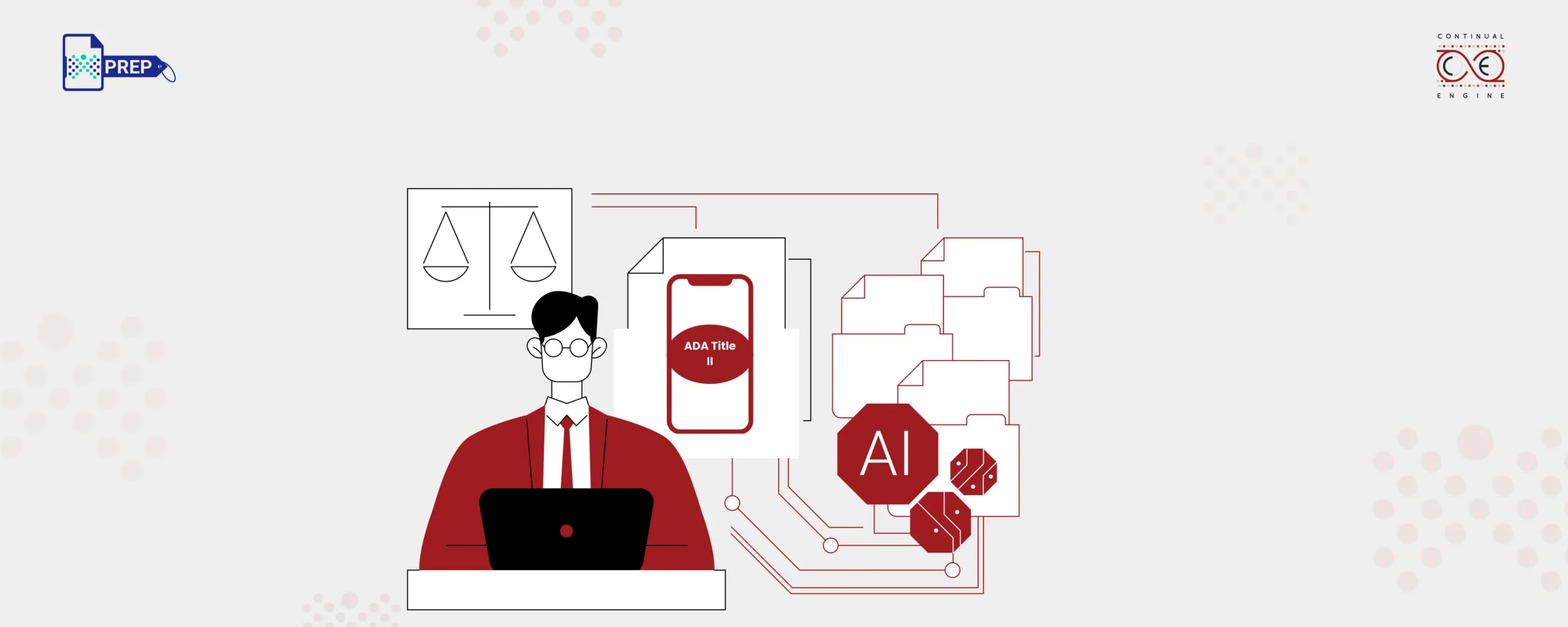
These audits help organizations align with standards and regulations such as WCAG, ADA Title II, Section 508, EAA, and the RPWD Act.
This compliance can help avoid complaints, remediation backlogs, lawsuits, and compliance-related risks.
3. Expands Audience Reach
A thorough accessibility audit ensures that your digital content, information, products, and services are accessible to everyone, creating better digital experiences.
4. Strengthens Brand Reputation
Regular audits keep organizations on top of their accessibility game.
Constantly focusing on improving digital experiences for users helps build trust among your audience. This trust helps improve your brand reputation among customers, stakeholders, and employees.
What Are the Different Types of Accessibility Audits?
The four main types of audits include: automated audit, manual audit, hybrid audit, and user/assistive technology testing.
1. Automated Accessibility Audit
Automated tools quickly detect common issues such as missing alternative text, color contrast failures, and unlabeled form elements.
While these automated scans are quick and very useful, especially when you’re on a time crunch, they are unable to identify every small accessibility problem. That is why you still need to manually audit.
2. Manual Accessibility Audit
Manual audits help uncover issues that automated scans might have missed.
The process of manual testing involves experts reviewing content against accessibility requirements and evaluating real-world usability.
Related Read: Automated vs Manual Accessibility Testing
3. Hybrid Accessibility Audit
A hybrid approach combines automated tools with manual evaluation to provide more complete results.
Most organizations use this approach because it balances efficiency and accuracy.
4. User & Assistive Technology Testing
Apart from manual and automated audits, it’s also essential to conduct user evaluation to test real case scenarios.
Testing with screen readers, keyboards, and assistive technologies provides valuable insights into how users actually experience digital content.
This type of testing helps uncover barriers that technical scans alone cannot identify.
Which Standards Are Used During an Accessibility Audit?
Most audits are typically conducted against common standards and regulations, including:
- WCAG 2.2: WCAG 2.2 provides internationally recognized guidelines for making digital content more accessible.
- Section 508: Section 508 establishes accessibility requirements for federal agencies and organizations working with government entities.
- ADA: The Americans with Disabilities Act (ADA) requires organizations to provide equal access to people with disabilities.
- EN 301 549: EN 301 549 defines accessibility requirements for I C T products and services across Europe.
- EAA: The European Accessibility Act (EAA) introduces accessibility obligations for many digital products and services within the European Union.
- RPWD Act: India’s Rights of Persons with Disabilities (RPWD) Act promotes equal access and digital inclusion.
What Are the Areas Reviewed During Accessibility Audits?
| Area | What to Check |
|---|---|
| Images | Alternative text |
| Headings | Proper structure |
| Links | Descriptive text |
| Forms | Labels and error messages |
| Keyboard | Full accessibility |
| Color | Contrast requirements |
| Multimedia | Captions, transcripts, and audio description |
| PDFs | Tags and reading order |
| Tables | Proper headers |
| Navigation | Consistency |
What Are Some Common Issues Found During Accessibility Audits?
Accessibility barriers are common to find when doing regular audits. Here are some of the most common ones:
- Missing Alternative Text: Images without alternative text make content difficult to understand for people using screen reader software.
Related Read: Alt Text on Images
- Poor Color Contrast: Low contrast remains one of the most common accessibility failures across the web.
Related Read: Color Contrast for Accessibility
- Keyboard Accessibility Problems: Users should be able to navigate content without relying on a mouse.
- Improper Heading Structure: Poor heading hierarchy makes content difficult to understand and navigate for anyone using screen reader software or other assistive technologies.
Related Read: Accessible Heading Structure
- Inaccessible Forms: Missing labels in forms and unclear error messages can create barriers for users while filling out forms.
- Missing Captions & Transcripts: Videos should include captions, transcripts, and audio description when important visual information is not conveyed through speech.
Explore Our Video & Audio Accessibility Services
- PDF Accessibility Issues: Common PDF accessibility issues, like missing tags, can make documents difficult to use with assistive technologies.
- Incorrect Reading Order: Content should follow a logical sequence so that screen readers present information accurately.
How Long Does an Accessibility Audit Ideally Take?
Ideally, an audit takes around 1 to 4 weeks for a standard website. However, the exact time depends on several factors, including:
- Website size
- Number of templates
- Content complexity
- Documents involved
- Mobile applications included
Smaller websites may take only a few days, while large digital ecosystems may require several weeks.
Accessibility Audit Deliverables: What to Expect from a Comprehensive Audit?
A detailed accessibility audit should provide a complete evaluation of all your digital assets tested against WCAG standards. It should include:
- Executive summary
- WCAG compliance report
- Detailed issue inventory
- Severity ratings
- Remediation recommendations
- Screenshots and examples
- VPAT support where applicable
These deliverables help organizations prioritize accessibility improvements effectively.
When Should You Conduct an Accessibility Audit?
Organizations should consider conducting accessibility audits:
- Before launching a website
- After redesigns
- Before compliance deadlines
- Following accessibility complaints
- On an annual or quarterly basis
Regular audits help maintain accessibility as digital content evolves.
Accessibility Audit vs Accessibility Testing: What’s the Difference?
Although the terms are often used interchangeably, they are not identical.
Accessibility testing focuses on identifying specific accessibility issues, while an audit, on the other hand, provides a broader assessment that includes compliance evaluation, issue prioritization, and remediation recommendations.
Related Read : Accessibility Testing vs Accessibility Audit
How Does Continual Engine Perform Accessibility Audits?
Running an automated scan can identify some accessibility issues, but it only tells part of the story.
Many barriers affecting people with disabilities and anyone using screen reader software require manual review and assistive technology testing. Continual Engine helps organizations evaluate websites, applications, PDFs, eLearning content, and multimedia assets through a combination of AI-powered workflows and expert review.
- Evaluate websites and web applications.
- Audit PDFs, documents, and eLearning content.
- Perform testing with screen reader software and keyboard navigation workflows.
- Receive detailed remediation recommendations and severity ratings.
- Support compliance with ADA, Section 508, EN 301 549, EAA, and the RPWD Act.
Identify Accessibility Gaps Before They Become Bigger Problems
An accessibility audit helps uncover barriers that may prevent users from fully accessing your website, documents, eLearning content, or applications.
FAQs:
-
What is a website accessibility audit?
A website accessibility audit reviews web pages, navigation, forms, multimedia, and other elements to identify issues affecting accessibility and usability.
-
How often should accessibility audits be performed?
Organizations should conduct audits before major launches, after redesigns, following accessibility complaints, and periodically throughout the year to maintain accessibility.
-
How long does an accessibility audit take?
An audit may typically take 1 to 4 weeks, but the timeline depends on website size, content complexity, applications involved, and the number of documents being reviewed.
-
Are automated accessibility tools enough?
No. Automated tools can identify many common issues, but they cannot evaluate usability, screen reader compatibility, keyboard navigation, or overall user experience. Combining automation with manual testing provides more comprehensive results.
-
What standards are used in accessibility audits?
Accessibility audits commonly use WCAG, ADA, Section 508, EN 301 549, European Accessibility Act (EAA), and the RPWD Act, depending on the organization's requirements.
-
Who should perform an accessibility audit?
Accessibility specialists with expertise in WCAG requirements, assistive technologies, and manual testing methods typically conduct comprehensive audits.
-
What happens after an accessibility audit?
Organizations receive reports, issue inventories, severity ratings, and remediation recommendations that help prioritize improvements.
-
How much does an accessibility audit cost?
An audit can cost between $1,500 and $5,000 USD, but it also majorly depends on the size and complexity of the digital assets being reviewed.
-
Can accessibility audits help with ADA compliance?
Yes. Accessibility audits help organizations identify barriers and improve alignment with ADA, WCAG, Section 508, EAA, and RPWD Act requirements.