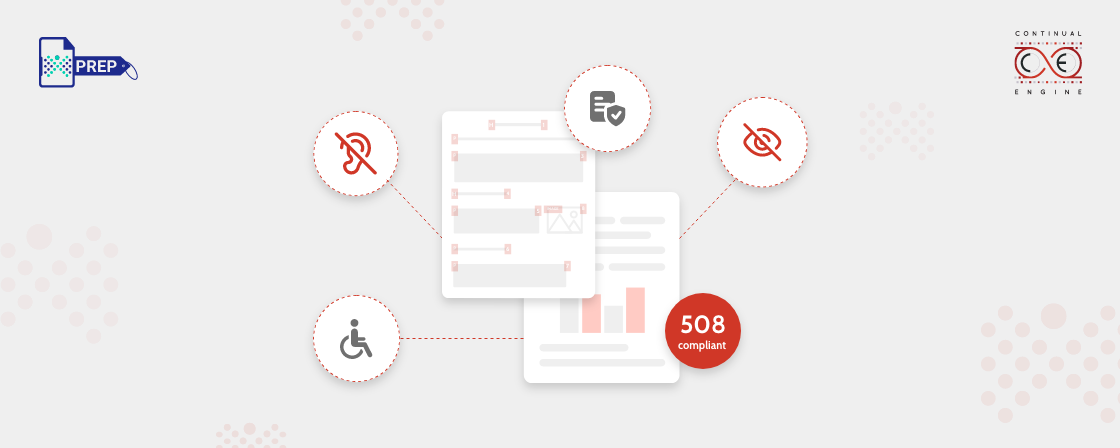
In the digital age, accessibility should be a right, not a privilege. Section 508 of the Rehabilitation Act of 1973 is a key document that ensures this by making sure that every website, software, or app is accessible to everyone, including those with visual and cognitive impairments. This act has a checklist that breaks down the federal information within it, making it easier to understand and implement.
Web accessibility is gaining traction, and the 508 compliance checklist is becoming more important than ever. It’s not just a suggestion; it’s a federal requirement that’s supported by various official US government sources. So, let’s break it down and see how you can make your web content more inclusive step by step.
Section 508 Compliance Checklist : What to Consider?
1. Make Content Speak Louder Than Words
Ever thought about how someone with visual impairment perceives images, videos, or audio files on a website? Providing text alternatives is the key. These alternatives, like alt text for images, ensure that assistive technologies, such as screen readers, can convey the content effectively.
2. Captions for Videos with Sound
Video content is awesome, but not if it leaves some visitors out. For those who are deaf or hard of hearing, video captions are a lifeline. Accurate captions sync with the audio and even name the speakers, making sure everyone’s in the loop.
3. Contrast Matters for Everyone
Imagine reading content without proper contrast – a nightmare for people with color blindness or low vision. The fix is simple: ensure a good contrast between the text and its background. A ratio of 4.5:1 is a safe bet. When using bold or large text, a ratio of 3:1 works. Logos and brand names, however, get a pass.
4. Keyboard-Friendly Functionality
Not everyone can use a mouse to navigate websites. For those who rely on a keyboard, your site’s functionality should be just as operable. This way, everyone gets a smooth experience.
5. Flexibility for Timed Tasks
Some tasks on your site might have time limits. But for those who need more time, these limits can be a real hurdle. Make sure visitors can adjust these time limits, so no one’s left rushing.
6. No Flashy Business
Flashing lights might look cool, but they can trigger seizures. So, keep flashy content at bay. The rule is simple: no more than three flashes in one second.
7. Skip the Noise
“Skip to Content” links are like shortcuts for keyboard users. They help them jump straight to the main content without tabbing through everything else. It’s a small change that makes a big difference.
8. Spotting Errors the Right Way
Errors happen, but they should be clear to everyone. Just highlighting a field in red won’t cut it, especially for those who can’t see. Clearly identify the error, describe it, and offer a solution.
9. Heading in the Right Direction
Headings organize content and help everyone understand what’s on a page. Keep them clear, concise, and in the right order for smooth navigation.
10. Titles that Speak Volumes
Page titles are like signs that guide readers. They should be clear and helpful, making navigation a breeze, especially for those who rely on assistive tech.
11. Making Documents Accessible
Documents like PDFs and Word files need to be accessible too. Offering alternative formats, like HTML or audio versions, ensures everyone can access the content.
12. Links that Tell a Tale
Links should make sense even without seeing them. Use descriptive text so that everyone knows what to expect when they click. Images as links? Alt text saves the day.
13. Testing and Quality Assurance
Getting your accessibility game on means regular testing and quality checks. Use automated tools like PREP for testing, sprinkle in some manual testing with assistive technologies, and don’t forget to get feedback from individuals with visual and cognitive impairments.
Final Thoughts
Section 508 compliance checklist isn’t a rulebook – it’s a path to a better online experience for all. By following the checklist, you’re not just ticking boxes – you’re making your digital space accessible to everyone. Remember, it’s not just about complying with the law; it’s about creating an inclusive online world where everyone can participate, regardless of their abilities.
Get AI-Driven Accessibility Solutions
Empower your organization with scalable, cost-effective, and efficient tools for an inclusive user experience.