Accessibility barriers in higher education put visually impaired learners at a disadvantage compared to their sighted peers. When it comes to higher education, STEM disciplines are significantly more challenging for learners with vision or cognitive issues due to the vast number of images and graphs that include important concepts and concepts.
What is Alt Text?
Why do you need to provide Alternate text for Graphical Images?
Graphs in Math and Statistics provide a visual representation of data sets, trends, analytics, and much more, making it easier for learners to comprehend complex data.
A single mathematics textbook could contain more than hundreds of graphs or charts which support the subject matter while offering context in a format that is easily understandable for learners. This is where learners with low vision or those who are visually impaired are at a great disadvantage.
With learning going digital, the possibilities to offer an inclusive learning environment also has opened many doors. The educational industry shares textbooks, coursework, assignments etc to learners everyday for regular learning activities in the formats of portable document (PDF) or word document (Docx), since they are the most preferred formats for sharing digital documents.
When designing STEM course content, instructors often miss providing alt text for images, graphs, or charts which makes parts of the document inaccessible. But, providing alt text for graphs in Math and Statistics can be a tedious task due to the following factors –
- Lack of good subject matter experts (SMEs)
- Cumbersome, and manual processes
- Expensive
- Lack of Consistency (in describing the image accurately to teach a concept or provide a truthful representation of a concept)
- Scalability (tedious when working with large volumes).
Powerful Alternate Text Authoring Solution
Introducing Invicta™, a transformative product of Continual Engine that leverages advanced artificial intelligence (AI) techniques, like deep learning and computer vision, to automate the authoring of accurate high quality alternate text for STEM, computer science, accounting, and other diverse images.
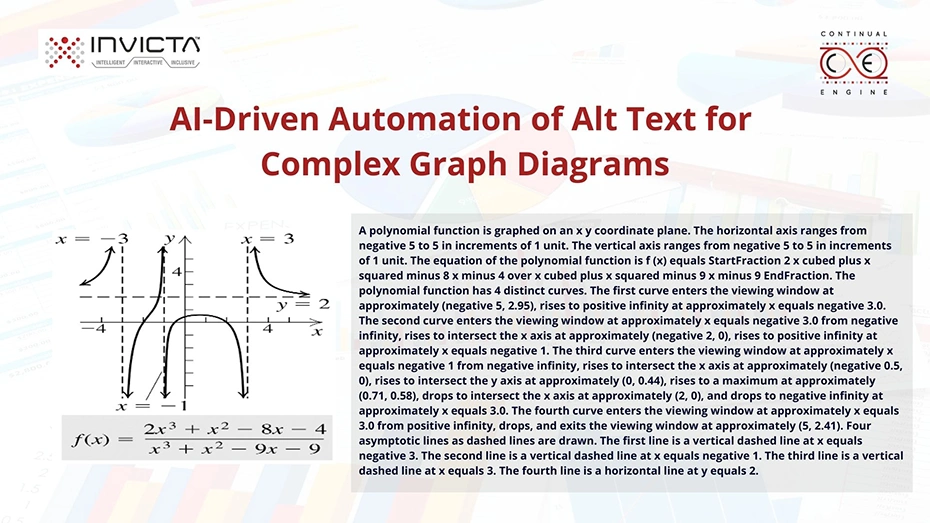
An example of alternate text authored for a graph image by Invicta™
Graphs in Maths and Statistics are well-supported by Invicta™, as an one-of-a-kind gamechanger solution, it opens doors for many disabled learners. Invicta™ is able to reduce the total cost of making content accessible almost fifty percent (50%) compared to other approaches and competitors. This means spending anywhere between $10K to $100K for one STEM textbook.
Reduces cycle time by nearly sixty percent (60%), while continuously delivering high quality, and consistent output, benefiting many higher education institutions, publishers, and learners.
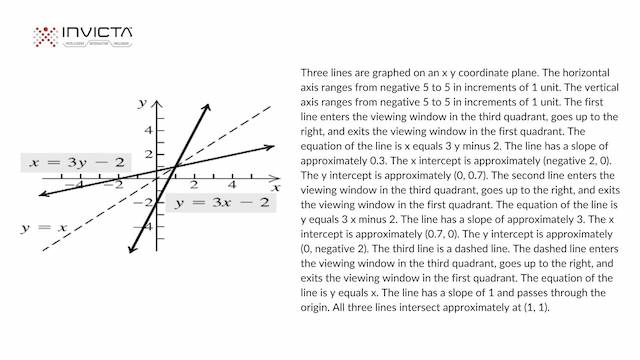
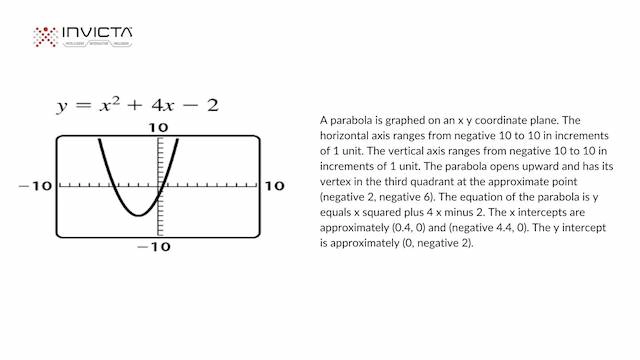
Here are a few more examples of alternate text authored by Invicta™ for graph images in the field of Maths and Statistics.
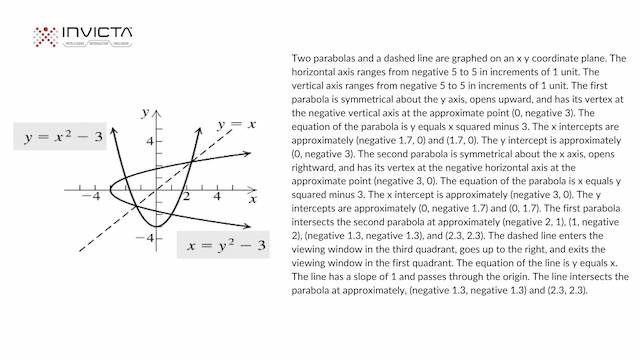
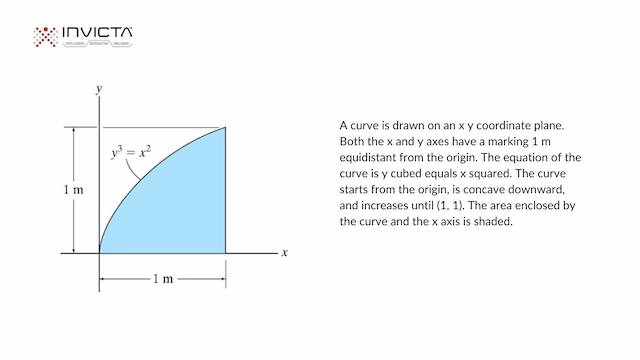
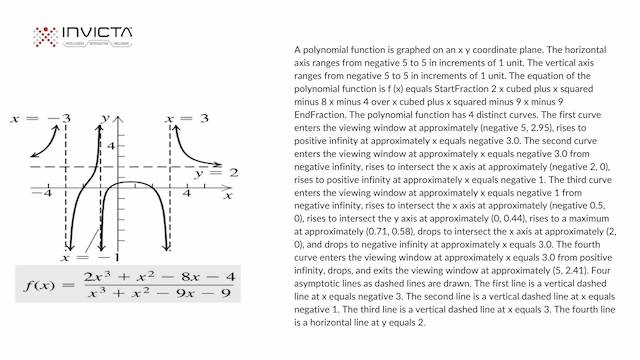
An example of alternate text authored for a graph image by Invicta™
We can be reached at contact@continualengine.com, if you would like to hear more about Invicta™, or if you’d like to see a demo. If you would like to learn more about how to write accurate alternate text, read our blog on best practices for writing image alternate text.