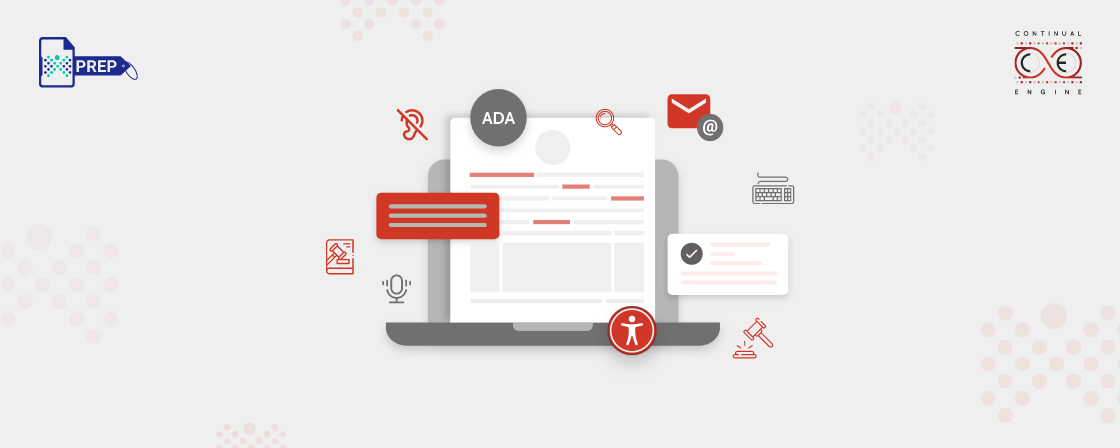
ADA Compliance in the Workplace

ADA Compliance in the Workplace

ADA Compliance in the Workplace

ADA Compliance in the Workplace

Key Takeaways

  1. Americans with Disabilities Act (ADA) compliance in the workplace is necessary for an inclusive work environment.
  2. Building toward an accessible and ADA-compliant workplace includes:
    • Evaluating your physical and digital space
    • Consistently improving digital accessibility
    • Offering accessibility tools
    • Following WCAG 2.1 as a standard for web accessibility.
  3. Digital accessibility is required for employees and potential job seekers.

What is ADA Compliance in the Workplace?

ADA Compliance in the Workplace refers to an employer’s responsibility to follow the Americans with Disabilities Act (ADA) by ensuring that employees and job applicants with disabilities have equal access to employment opportunities, reasonable accommodations, and a work environment free from discrimination.


Want to know more? Read in detail about ADA Compliance

Why ADA Compliance Matters in the Workplace

ADA compliance is more than just a legal requirement—it ensures that all employees, including those with disabilities, can participate fully and fairly in the workplace. Following ADA guidelines promotes inclusion, reduces barriers, and supports a positive organizational culture.

Key Reasons ADA Compliance Matters:

  • Equal Employment Opportunities: Ensures hiring, promotions, and job assignments are fair and accessible to everyone.
  • Prevents Discrimination: Protects employees from unfair treatment or harassment based on disability.
  • Promotes Accessibility: Encourages modifications to physical spaces, technology, and processes so employees can perform effectively.
  • Supports Diversity and Inclusion: Strengthens a culture where all employees feel valued and included.
  • Boosts Employee Engagement and Retention: Employees are more satisfied and productive in a supportive, accessible workplace.
  • Enhances Organizational Reputation: Demonstrates commitment to fairness, compliance, and social responsibility.
  • Reduces Legal Risks: Minimizes potential lawsuits or penalties related to ADA violations.

ADA Issues in the Workplace

Even with awareness of the Americans with Disabilities Act (ADA), many workplaces still face challenges in full compliance. Recognizing common ADA issues helps employers understand where gaps may exist and why proactive measures are necessary.


Common ADA Issues Include:


  • Failure to Provide Reasonable Accommodations: Employees may request modifications to their work environment or schedule, but employers sometimes delay, deny, or inadequately address these requests.
  • Inaccessible Physical Workspaces: Offices may have barriers such as stairs without ramps, narrow doorways, inaccessible restrooms, or poorly designed workstations.
  • Digital Accessibility Gaps: Internal systems, HR portals, PDFs, learning platforms, and other digital tools may not support assistive technologies like screen readers or captioning.
  • Lack of Awareness Among Managers: Supervisors or HR staff may not fully understand ADA requirements, resulting in inconsistent practices or miscommunication with employees.
  • Discrimination and Harassment: Employees with disabilities may face bias in hiring, promotions, or day-to-day interactions, either intentionally or unintentionally.
  • Inadequate Documentation and Interactive Process: Failure to properly document accommodation requests or engage in a collaborative discussion can lead to misunderstandings and compliance issues.
  • Confidentiality Breaches: Sharing medical or disability-related information without proper authorization can violate ADA rules and harm employee trust.
  • Retaliation Concerns: Employees may fear reporting issues or requesting accommodations if they think it could negatively impact their career.


Understanding these common issues sets the stage for implementing the key ADA requirements in the workplace, which we will discuss in the next section.

Ada Requirements For Workplace

The Americans with Disabilities Act (ADA) ensures equal opportunities for employees with disabilities. To see how employers can comply and create an inclusive workplace, read about the key ADA requirements below.

Reasonable Accommodations

Employers are required to provide reasonable accommodations to qualified employees and job applicants with disabilities unless doing so would cause undue hardship for the organization. Accommodations are intended to remove barriers that might prevent an individual from performing essential job functions or fully participating in workplace activities.

Common examples of reasonable accommodations include:

  • Modifying work schedules or allowing flexible/remote work arrangements to accommodate medical appointments or energy limitations.
  • Adjusting job duties or restructuring non-essential tasks so that employees can focus on responsibilities that align with their abilities.
  • Providing assistive technologies, adaptive equipment, or accessible software, such as screen readers, speech-to-text tools, or ergonomic devices.
  • Making physical modifications to workstations or facilities, including installing ramps, accessible desks, or specialized seating.

The ultimate goal is to enable employees with disabilities to perform their jobs effectively while maintaining workplace productivity and fairness.

Non-Discrimination Policies

ADA compliance requires organizations to maintain clear, enforceable non-discrimination policies that protect individuals with disabilities at all stages of employment. These policies serve as a foundation for fairness and inclusion in the workplace.

Key components include:

  • Fair and unbiased hiring, promotion, and termination practices, ensuring decisions are based on skills and qualifications rather than assumptions about disability.
  • Equal access to training, benefits, and career advancement opportunities, so employees with disabilities have the same growth potential as others.
  • Protection from harassment or retaliation linked to disability status or accommodation requests.

Employers must actively prevent both intentional and unintentional disability-related discrimination, ensuring that the workplace fosters respect, equity, and inclusivity.

Accessible Work Environment

Employers must provide a work environment that is fully accessible, both physically and digitally, so employees with disabilities can perform their roles independently and safely.

Accessibility measures include:

  • Barrier-free entrances, exits, restrooms, and common areas, making it easy for employees to move around the workplace.
  • Accessible parking, signage, and pathways, ensuring safe navigation to and within the office.
  • Digital accessibility for HR portals, intranets, documents (like PDFs), learning platforms, and collaboration tools, allowing employees to access information and perform tasks efficiently.

A truly accessible environment supports not only compliance but also productivity, engagement, and employee satisfaction.

Confidentiality

The ADA requires that all medical and disability-related information be kept confidential and separate from general personnel files. Protecting this information builds trust and prevents bias or discrimination.

Employers must:

  • Limit access to medical records to authorized personnel only.
  • Use medical information solely for accommodation planning or compliance purposes.
  • Prevent unnecessary disclosure to managers, coworkers, or other staff, except when required to implement accommodations.

Maintaining confidentiality ensures employee privacy, encourages open communication about needs, and reduces the risk of workplace discrimination.

The Interactive Process

Employers must engage in an interactive, good-faith dialogue with employees who request accommodations. This collaborative process is critical to finding effective solutions and maintaining ADA compliance.

Steps in the interactive process include:

  • Discussing the employee’s limitations and job requirements to understand the specific challenges.
  • Exploring accommodation options collaboratively, considering both employee needs and business feasibility.
  • Documenting decisions and follow-up actions to maintain transparency and compliance records.

Failure to conduct this process properly is a common source of ADA violations and can result in legal or reputational consequences.

Accessible Recruitment and Hiring Practices

ADA requirements extend to the entire hiring process, ensuring candidates with disabilities have equal opportunities to apply, interview, and be selected based on qualifications.

Employers should ensure:

  • Job applications and career websites are accessible, supporting assistive technologies and alternative formats.
  • Interview locations and formats accommodate candidates with physical or sensory disabilities.
  • Hiring decisions are based on skills and experience, not assumptions about a candidate’s disability.

Equal access during recruitment sets the tone for an inclusive workplace from day one.


Also Read: Inclusive HR Documents To Ensure Accessibility in Workplace

Strategies for ADA Compliance in the Workplace

Ensuring ADA compliance requires deliberate planning and ongoing effort. The following strategies help employers create an inclusive, accessible, and legally compliant work environment:

1. Implement Clear Policies and Procedures

Develop comprehensive policies that explicitly address non-discrimination, accommodation requests, confidentiality, and retaliation protections. Clearly communicate these policies through employee handbooks, onboarding sessions, and internal portals. Having well-documented procedures ensures that both employees and managers understand their rights and responsibilities, reducing confusion and potential ADA violations.

2. Provide Reasonable Accommodations Promptly

Establish a structured process for receiving, evaluating, and implementing accommodation requests. Accommodations may include flexible work schedules, assistive technologies, task modifications, or physical workspace adjustments. Responding quickly and thoughtfully to requests demonstrates commitment to inclusivity, helps employees remain productive, and reduces the risk of legal claims.

3. Maintain Accessible Workspaces

Conduct regular accessibility audits of physical office spaces to identify barriers, such as stairs without ramps, narrow doorways, or inaccessible restrooms. Implement modifications like automatic doors, adjustable desks, and ergonomic seating. For hybrid or remote work, ensure employees have necessary tools and setups to perform their duties without obstacles. Accessibility audits should be ongoing as workplaces evolve.

4. Ensure Digital Accessibility

Digital platforms, HR systems, documents, and learning tools must be compatible with assistive technologies such as screen readers or voice command software. Follow recognized accessibility standards like WCAG to make intranets, PDFs, emails, and online training accessible. Accessible digital resources empower employees to fully participate in all aspects of work and prevent exclusion in remote or hybrid environments.

5. Engage in the Interactive Process

Engage employees requesting accommodations in an open, collaborative discussion. Evaluate their limitations, job responsibilities, and potential solutions together. Document conversations, agreed-upon accommodations, and any follow-up actions. The interactive process ensures that both the employer and employee are aligned and demonstrates good-faith compliance with ADA requirements.

6. Train Managers and Staff

Provide regular training to HR personnel, supervisors, and all employees on ADA obligations, accommodation procedures, and respectful workplace interactions. Training should include recognizing accommodation requests, understanding employee rights, and preventing unconscious bias or retaliation. Well-informed staff reduces the risk of inadvertent violations and fosters a supportive workplace culture.

7. Protect Confidentiality

Ensure that all medical or disability-related information is stored separately from general personnel files and is accessible only to authorized personnel. Medical information should be used exclusively for assessing accommodation needs or compliance purposes. Protecting confidentiality builds trust, encourages employees to request necessary accommodations, and mitigates the risk of privacy violations.

8. Monitor and Audit Compliance

Regularly review workplace policies, procedures, accessibility measures, and accommodation practices to ensure continued compliance with ADA requirements. Identify gaps, track accommodation requests, and implement improvements as needed. Proactive monitoring helps prevent compliance issues before they escalate and demonstrates an ongoing commitment to inclusion.

9. Encourage a Culture of Inclusion

Beyond legal compliance, cultivate a workplace environment where employees feel valued, supported, and safe requesting accommodations. Encourage feedback, recognize diverse contributions, and promote inclusive practices in team interactions. A culture of inclusion not only improves morale but also enhances productivity, creativity, and employee retention.

10. Address Retaliation Risks

Establish clear mechanisms for employees to report concerns, file complaints, or request accommodations without fear of retaliation. Investigate incidents promptly and take appropriate corrective action. Protecting employees from retaliation ensures that ADA rights are respected and encourages open communication across the organization.

Conclusion

ADA compliance is essential for creating an inclusive, accessible, and fair workplace. By understanding common ADA issues and implementing effective strategies—such as providing reasonable accommodations, maintaining accessible environments, protecting confidentiality, and training staff—employers can ensure that all employees have equal opportunities to thrive. Beyond legal obligations, fostering ADA compliance strengthens workplace culture, boosts employee engagement, and enhances organizational reputation. Prioritizing accessibility and inclusion is not just compliance—it is a commitment to a supportive and equitable work environment for everyone.

FAQs

How often should an organization review its ADA compliance?

ADA compliance should be reviewed regularly, ideally annually, and whenever there are significant changes to workplace policies, digital systems, or office layouts. Ongoing monitoring helps identify and correct accessibility gaps proactively.


What is the difference between ADA compliance and general workplace accessibility?

ADA compliance is legally mandated and specifically applies to preventing disability discrimination and providing reasonable accommodations. General workplace accessibility goes beyond the law, encompassing broader inclusivity practices for all employees.

Get AI-Driven Accessibility Solutions

Empower your organization with scalable, cost-effective, and efficient tools for an inclusive user experience.

Reviewed by:

Debangku Sarma

Digital Marketing Associate
Continual Engine

Vijayshree Vethantham

Senior Vice-President, Growth & Strategy
Continual Engine US LLC

Related Posts

Graphical picture of What is WCAG Audit

What is WCAG Audit?

The WCAG offers three stages of conformance: Level A (least strict), Level AA, and Level AAA (most strict). One of the primary objectives of an accessibility audit is to showcase alignment with the organization’s targeted conformance level. For most websites, aiming for Level AA conformance is both reasonable and ensures accessibility for the majority of users.

Read More »

Do You Need Some Help? Don't Worry, We've Got You!

"*" indicates required fields

Step 1 of 3

This field is for validation purposes and should be left unchanged.
What is your goal?*